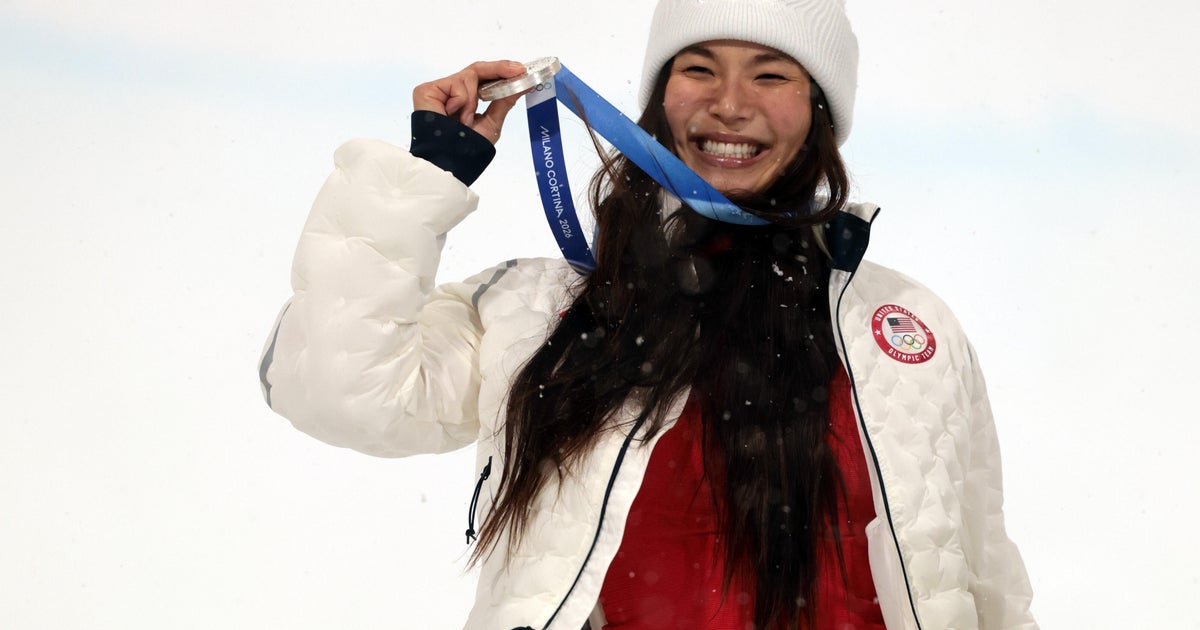
Chloe Kim Shines with Silver in a Thrilling 2026 Olympic Halfpipe Final
The electric atmosphere at Livigno Snow Park reached a fever pitch on February 12, 2026, as the world watched the climactic 2026 Winter Olympics Women's Snowboarding Halfpipe final unfold. In a display of unmatched athleticism and gravity-defying artistry, the event delivered on every promise of Olympic drama. While the headlines celebrate a new Olympic champion, it was the enduring legacy of American superstar Chloe Kim that captivated fans, as she secured a hard-fought silver medal.
Kim, the reigning back-to-back champion from 2018 and 2022, aimed for an unprecedented third consecutive gold, a feat that would cement her as an undeniable legend of the sport. Though that historic milestone narrowly eluded her, her silver medal performance was a testament to her unwavering skill, resilience, and continued dominance in a rapidly progressing field. The gold medal went to South Korea’s sensational Choi Ga-on, making history for her nation, while Japan’s Mitsuki Ono earned a well-deserved bronze, rounding out a truly global podium.
Kim's Quest for a Three-Peat: A Battle of Nerves and Skill
From the moment she dropped into the immaculate Livigno halfpipe, Chloe Kim was the focus of immense anticipation. Having topped the qualification rounds on February 11 with an impressive score of 90.25, even amidst whispers of prior injury concerns, Kim proved she was still very much in contention. Her qualification run, characterized by soaring amplitude and perfectly executed spins, reminded everyone why she is considered the queen of the halfpipe.
However, the Olympic final is a different beast, where nerves are as critical an opponent as the other riders. Kim faced extraordinary pressure, not just from her competitors, but from the weight of history. Her quest for three gold medals would have made her the first woman to achieve such a feat in snowboarding. While she delivered a powerful and technically complex run in the final, the flawless performance of Choi Ga-on proved just enough to edge her out for gold. Kim’s silver medal, far from a defeat, solidifies her status as one of the most decorated snowboarders of all time, demonstrating remarkable consistency at the pinnacle of her sport across three Olympic cycles.
For aspiring snowboarders, Kim's journey offers invaluable lessons:
- Consistency is Key: Even with injury setbacks, Kim consistently delivers top-tier performances, a result of relentless practice and a deep understanding of her craft.
- Mental Fortitude: The pressure of defending titles and aiming for history is immense. Kim's ability to perform under such scrutiny is a masterclass in mental toughness.
- Progression, Not Perfection: While striving for perfection, Kim's willingness to push boundaries and evolve her runs has kept her at the forefront of the sport.
A Podium of Champions: New Blood and Enduring Talent
The 2026 Women's Halfpipe final was a captivating showcase of both established stars and emerging talent. Choi Ga-on's gold medal marked a historic moment for South Korean snowboarding, signaling a new era of dominance from the East. Her runs were a breathtaking combination of height, technical difficulty, and fluidity, earning her deserved acclaim and a place in Olympic history. The sheer joy and relief on her face as her winning score was announced were palpable, a testament to years of dedication.
Mitsuki Ono of Japan, earning the bronze, further highlighted the global strength of women's halfpipe snowboarding. Ono's powerful riding style and innovative trick selection have consistently placed her among the top contenders, and her Olympic medal is a significant milestone in her career. The diverse podium underscored the truly international appeal and competitive nature of the 2026 Winter Olympics Women's Snowboarding Halfpipe event, bringing together athletes from different continents to push the boundaries of the sport.
The event also had its share of dramatic moments, highlighting the extreme risks athletes take. During the qualification rounds, China's Liu Jiayu, a veteran of the sport, suffered a serious crash and had to be stretchered off the course. This incident served as a stark reminder of the fine line between triumph and injury in high-amplitude freestyle snowboarding, where one small miscalculation can have significant consequences.
Livigno Snow Park: A World-Class Stage for Snowboard Freestyle
The picturesque Livigno Snow Park in Valtellina, Italy, proved to be an exceptional host for the snowboard freestyle disciplines at the Milano Cortina 2026 Winter Olympics. Nestled in the Rhaetian Alps at an altitude of 1,816 meters above sea level, Livigno offers consistent snowfall and optimal conditions for crafting a world-class halfpipe. Inaugurated in 1994, the venue has long been renowned as Italy's premier snowpark and a leading facility in Europe, providing an ideal environment for athletes to perform their gravity-defying maneuvers.
The halfpipe itself is a marvel of engineering and craftsmanship, meticulously shaped to ensure perfect transitions, consistent walls, and maximum amplitude for the riders. The conditions throughout the qualification and final rounds were pristine, allowing the athletes to focus entirely on their performance without battling adverse weather. The lively crowd, combined with the stunning alpine backdrop, created an unforgettable atmosphere that perfectly complemented the high-stakes action of the 2026 Winter Olympics Women's Snowboarding Halfpipe.
The Road to Olympic Glory: A Rigorous Qualification Journey
Behind every Olympic performance lies a demanding qualification journey, and the women's snowboard halfpipe was no exception. Managed by the International Ski and Snowboard Federation (FIS) in conjunction with the International Olympic Committee, the qualification period spanned from July 1, 2024, to January 18, 2026. Athletes diligently earned quota spots for their National Olympic Committees (NOCs) through stellar performances in FIS Snowboard World Cup events and the 2025 FIS Snowboard World Championships.
To even be considered, athletes needed to achieve a top-30 finish in at least one FIS World Cup event or the 2025 World Championships within the qualification window, alongside meeting minimum FIS points requirements specific to the halfpipe discipline. The Olympic Quota Allocation List, published on January 19, 2026, determined the distribution of a total of 25 coveted quota places. While each NOC was capped at a maximum of four athletes per gender per event, the system ensured a fair and competitive selection process, with host nation Italy also guaranteed one spot if an eligible athlete met the rigorous standards. This stringent system guarantees that only the world's most prepared and talented snowboarders reach the Olympic stage, making every medal an extraordinary achievement.
Conclusion
The 2026 Winter Olympics Women's Snowboarding Halfpipe final was a spectacular showcase of athleticism, innovation, and heart. While Chloe Kim narrowly missed her historic third gold, her silver medal performance further cemented her legend in the sport, demonstrating her enduring power and grace. The emergence of Choi Ga-on as an Olympic champion and Mitsuki Ono's bronze highlighted the global growth and fierce competition within women's snowboarding. Hosted impeccably by Livigno Snow Park, this event will undoubtedly inspire a new generation of riders, eager to carve their own paths in the halfpipe and contribute to the sport's thrilling future.